

Experiencing persistent respiratory symptoms such as prolonged shortness of breath, chest tightness, wheezing, or chronic cough? These could be signs that you need to see a pulmonologist — a specialist in diagnosing and treating conditions affecting the airways and lungs.
Coughing isn’t always a sign of lung problems. It may be linked to heart conditions, gastrointestinal issues, ENT disorders, allergies, or even certain medications. That’s why it’s important to get a professional evaluation, especially if symptoms last longer than 2–3 weeks. At Mediland Medical Center in Kyiv, you can consult a pulmonologist and, if needed, receive care from related specialists: a cardiologist, ENT doctor, gastroenterologist, allergist, or neurologist.
When to See a Pulmonologist?
Schedule a consultation if you experience:
- A chronic cough lasting more than 8 weeks
- Shortness of breath during minimal activity or at rest
- Wheezing, coughing, or chest tightness — possible signs of asthma
- Coughing up blood
- Abnormal breathing patterns (rapid, slow, or shallow)
- Suspected occupational lung disease (e.g., pneumoconiosis)
If you experience sudden, severe breathing difficulties, seek emergency care immediately.
Conditions Treated by Our Pulmonologists
Mediland’s team of experienced pulmonologists specializes in managing:
- Asthma
- Chronic Obstructive Pulmonary Disease (COPD)
- Various types of pneumonia (viral, interstitial, post-COVID, bacterial)
- Idiopathic Pulmonary Fibrosis
- Chronic bronchitis and bronchiolitis
- Sarcoidosis
- Hypoventilation and hypoxemia syndromes
We also offer pulmonary rehabilitation — a comprehensive program to restore respiratory function, especially effective for COPD, asthma, and recovery after severe respiratory infections.
Pulmonary Care After COVID-19
If you’ve recovered from COVID-19 but still experience breathing issues, fatigue, or persistent cough, our specialized post-COVID check-up packages can assess your lung health and, if needed, start a tailored rehabilitation plan. These services are available as convenient discounted packages.
Diagnosis and Treatment
During your visit, the pulmonologist will review your medical history, perform a physical exam (including auscultation, percussion, and chest inspection), and may order tests such as:
- Spirometry
- Fiberoptic bronchoscopy
- Computed Tomography (CT)
- Chest X-ray
Based on the results, a personalized treatment plan will be developed, which may include medications, inhalers, oxygen therapy, or a structured rehabilitation program.
Inpatient Pulmonary Care
If prolonged monitoring or intensive treatment is required, patients can receive pulmonology care in our comfortable adult inpatient unit, equipped with essential monitoring systems and oxygen infrastructure.
Our Doctors
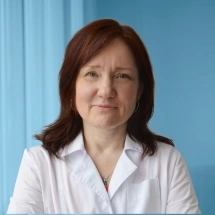
Nataliia Zaets, MD
Pulmonologist

Nataliia Tkachuk, MD
Pulmonologist
How to Prepare for Your Pulmonologist Visit
No special preparation is needed for a pulmonologist consultation. However, to make your visit as productive as possible, please bring:
- A list of all current medications with dosages
- The approximate date when symptoms first appeared
- Details about associated symptoms (chest pain, shortness of breath, fatigue, persistent cough)
- Information on when symptoms worsen (e.g., at night, during exercise)
- Family history of respiratory conditions (e.g., asthma, lung cancer)
This information helps your doctor understand your condition fully, choose the right tests, and make an accurate diagnosis.
What to Expect During the Examination
Your doctor will first review your medical records and ask about your symptoms, medical history, medications, smoking habits, occupation, and other relevant factors.
The physical exam typically includes:
- Auscultation (listening to your lungs with a stethoscope)
- Visual inspection of the chest (checking symmetry, use of accessory muscles)
- Percussion (tapping on the chest to assess lung resonance)
- Vocal fremitus assessment
Additional tests may be ordered, commonly including:
- Pulmonary function tests — spirometry
- Bronchoscopy — endoscopic examination of the airways
- Computed tomography (CT)
- Chest X-ray
Based on the findings, your pulmonologist will create a treatment plan. Pharmacotherapy is often used, including bronchodilators, anti-inflammatory drugs, antihistamines, or antibiotics, depending on the diagnosis.
In cases of chronic respiratory insufficiency, oxygen therapy may be recommended to significantly improve quality of life.
Why Choose Mediland?
- A team of multiple certified pulmonologists
- Access to related specialists during the same visit
- Dedicated inpatient unit with a pulmonary focus
- Specialized post-infection lung health check-up packages
- Advanced diagnostic equipment, including an in-house CT scanner
- 24/7 operations powered by backup electricity
- No waiting lists — appointments available daily, including weekends
Frequently Asked Questions
Yes. If you still experience shortness of breath, fatigue, dry cough, or reduced stamina after recovering from COVID-19, it could indicate post-COVID pulmonary dysfunction. A pulmonologist can evaluate your condition, order a CT scan or spirometry, and design a rehabilitation plan. Yes. You can schedule a lung CT scan at our center without a doctor’s referral. For the most accurate interpretation, we recommend combining it with a pulmonologist consultation. Typically within 1–2 days. In urgent cases, same-day appointments may be available.Should I see a pulmonologist after having COVID-19?
Can I have a lung CT scan at Mediland without a referral?
How soon can I get an appointment?