
 Leriche syndrome is a condition characterized by impaired blood flow to the pelvic organs and lower limbs. Disease progression can lead to serious complications, including gangrene, limb amputation, or even death.
The syndrome develops due to blockage or narrowing of the lower part of the aorta or the initial sections of the common iliac arteries (the main arterial vessels supplying the lower limbs). Insufficient blood supply (chronic ischemia) manifests as intermittent claudication and leg pain, and often causes impotence in men.
* Attention! As of November 29, 2025, treatment of Leriche syndrome, as well as consultations with a vascular surgeon at Mediland Medical Center, are not provided. This article is published for informational purposes only.
Causes of Leriche Syndrome
The vast majority of Leriche syndrome cases are caused by obliterating atherosclerosis of the lower limb arteries, in which atherosclerotic plaques narrow the vessel lumen.
Less common causes include inflammation of large vessels (nonspecific aortoarteritis and obliterating endarteritis), blood clots, congenital aortic defects, and fibromuscular dysplasia. Another possible cause may be retroperitoneal tumors compressing the aorta or iliac arteries, leading to impaired blood supply to the legs and pelvic area.
Signs and Symptoms of Leriche Syndrome
The disease begins with intermittent claudication — rapid fatigue and leg muscle pain that appear while walking and disappear after a short rest. As the disease progresses, pain occurs even during normal walking and later at rest. Leriche syndrome may also cause pain in the lower back, buttocks, or leg joints.
Symptoms vary depending on the severity of vascular damage and the body's ability to compensate for poor blood flow through collateral vessels. Patients often report numbness and reduced sensitivity in the lower limbs. The skin of the affected leg becomes pale, cold, and there is no pulse felt in the thigh or lower regions.
In men, Leriche syndrome often leads to problems with potency and may even cause erectile dysfunction due to impaired blood circulation in the iliac arteries.
Stages of Leriche Syndrome
The disease develops gradually, and its severity is classified into several stages:
Stage I
Leg pain occurs only after significant physical exertion — the patient can walk more than one kilometer without discomfort. Intermittent claudication at this stage often causes patients to delay seeking medical care, even though conservative treatment could still be effective.
Stage II
At this stage, the level of ischemia in the lower limbs causes considerable discomfort:
- IIa – pain appears after walking more than 200 meters;
- IIb – pain occurs after walking less than 200 meters.
Stage III
Disease progression leads to a significant decrease in blood supply to the limb, lowering the patient’s quality of life:
- IIIa – “rest pain” appears and worsens when lying flat. The patient must lower the leg to relieve discomfort, often several times per night;
- IIIb – “critical ischemia” develops, accompanied by swelling of the lower leg and foot, and the need to lower the leg occurs more frequently.
Stage IV
- IVa – necrotic changes appear on the toes, but the limb still retains its supporting function;
- IVb – gangrene of the foot or lower leg develops, requiring amputation.
Diagnosis of Leriche Syndrome
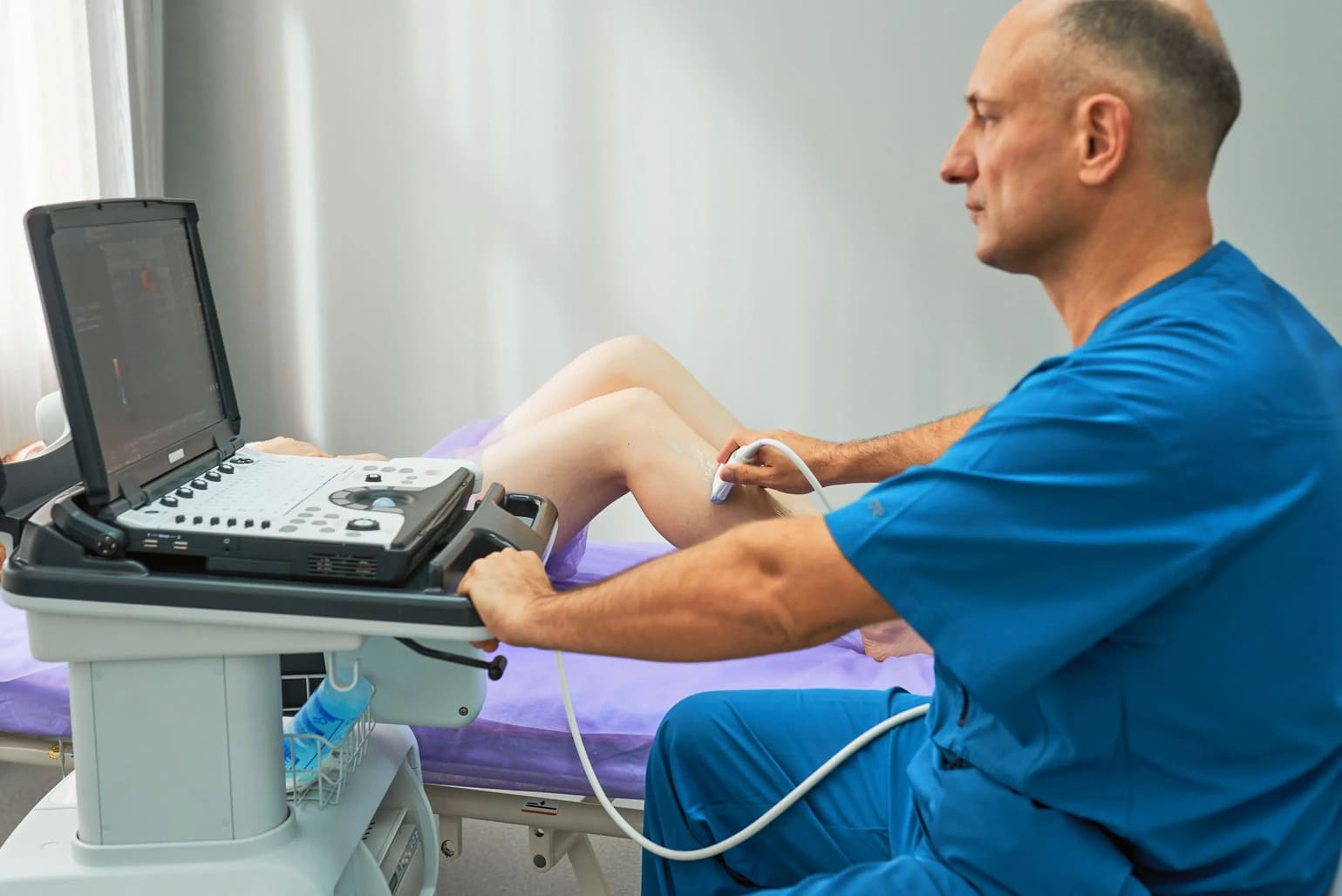
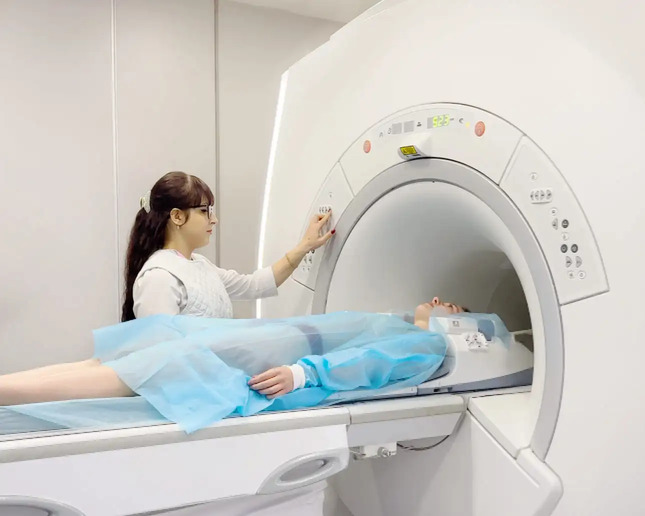 Modern diagnostic protocols for suspected Leriche syndrome include, in addition to physical examination and laboratory blood tests, instrumental diagnostics:
A specific diagnostic indicator is the ankle-brachial index: in Leriche syndrome, the ratio of blood pressure measured at the ankle to that at the arm is 0.8 or lower due to vessel obstruction.
When the diagnosis is confirmed, these results are sufficient to determine an individualized treatment strategy and begin therapy without delay.
Simple non-invasive methods such as ankle-brachial index measurement and Doppler ultrasonography can detect early stages of Leriche syndrome during screening exams, even before visible symptoms appear.
Treatment of Leriche Syndrome
Diagnosis determines which treatment method will be most effective. If modern protocols confirm the need for surgery, it means other options — including conservative therapy or endovascular surgery (balloon angioplasty and stenting) — cannot provide long-term results.
The treatment approach depends on the cause of the disease. Most Leriche syndrome cases are advanced atherosclerosis and require surgery to restore blood flow, prevent complications, and improve quality of life.
In rare cases when the disease is detected early — usually during screening or regular follow-ups with a cardiologist or vascular surgeon — conservative therapy may be effective. It includes:
- Eliminating risk factors — quitting smoking, controlling blood sugar, maintaining normal blood pressure, and normalizing lipid levels.
- Medication therapy — taking vasodilators, drugs to improve microcirculation and blood thinning (antiplatelet agents), and lipid-lowering medications.
- Physiotherapy — hyperbaric oxygenation, electrotherapy (Bernard currents), massage, and therapeutic exercises.
- Sanatorium and spa treatment in specialized facilities.
These methods aim to eliminate the causes of Leriche syndrome and are used as preoperative preparation. Conservative therapy should also continue after surgery to prevent complications and relapses.
Surgical Treatment of Leriche Syndrome
Surgery is the main treatment method for ischemia stage IIb and higher. The type of operation depends on the extent and severity of vascular damage. The following vascular surgery techniques are used:
Endarterectomy
The atherosclerotic plaque is removed from the artery through a small incision. Endarterectomy is most effective in early stages when vessels are still passable, so it is rarely performed.
Arterial Prosthetics
When arteries are severely damaged, the affected segment is replaced with a graft made from the patient’s own vein (autovein) or synthetic materials.
In extensive lesions, a Y-shaped graft can be used to replicate the aortic bifurcation and restore blood flow to both iliac arteries. This bifurcated aorto-femoral prosthesis is the primary surgical method for advanced Leriche syndrome, preventing over 90% of limb amputations.
Aorto-Femoral Bypass Surgery
Depending on individual circumstances, an aorto-femoral bifurcation bypass may be performed instead of prosthetics, creating an alternate blood flow pathway (anastomosis). Both procedures are equally effective and restore normal blood circulation to the lower limbs.
Lumbar Sympathectomy
Removal of nerve ganglia reduces vascular spasms and improves circulation. This method is used when other surgeries are not possible (for example, in patients with contraindications to major operations).
At the “Mediland” Vascular Surgery Center, all operations are performed using modern technologies, minimizing trauma and shortening recovery time — patients can walk the same day while remaining under medical supervision in the comfort of our in-patient facility.
Surgery ensures long-term results only if followed by continued conservative therapy aimed at eliminating and controlling risk factors that caused the disease:
- chronic stress and overwork
- lack of physical activity
- poor diet with excess fats and insufficient fruits and vegetables
- inadequate control of hypertension or diabetes
- smoking
Prognosis for Leriche Syndrome
With timely surgical or adequate conservative treatment, most patients experience significant improvement. Over 90% of patients show positive dynamics, restored work capacity, and disappearance of ischemic symptoms.
Frequently Asked Questions About Leriche Syndrome
In this section, we have compiled important information about the disease, its diagnosis, and treatment, based on real questions from patients and answers from vascular surgeons of the Mediland Vascular Surgery Center. If you didn’t find the answer to your question or need a detailed consultation, call us at any number listed on the website or fill out the callback form to make an appointment.
What are the risk factors for developing Leriche syndrome?
In addition to atherosclerosis, risk factors increasing the likelihood of Leriche syndrome include:
- sex (men are diagnosed more often than women);
- age (previously diagnosed mostly after 60, but now cases among patients as young as 35 are not uncommon);
- hypertension (high blood pressure);
- diabetes mellitus;
- smoking;
- high cholesterol levels;
- obesity;
- heredity.
Is surgery always required for Leriche syndrome?
Yes, if the disease stage involves severe circulatory impairment. For ischemia stage IIb and higher, surgery becomes necessary to prevent disease progression and complications such as gangrene.
Can Leriche syndrome be treated without surgery?
Surgery is only indicated after thorough diagnostics. In early stages, conservative therapy may be sufficient, but once the disease progresses, surgery remains the only effective treatment method.
Where does the name of the disease come from?
Leriche syndrome is named after the surgeon who first described its three main symptoms in 1923: intermittent claudication, absence of leg artery pulse, and impotence.
Attention! The information provided is not a medical recommendation and does not describe a universal treatment approach. Each case is individual, and an in-person consultation with a vascular surgeon is required. Only a doctor can determine the diagnostic plan and treatment strategy for a particular patient. Based on the results, a personalized treatment, rehabilitation, and prevention program will be developed to achieve long-term improvement.